Welcome to our guide for used car market research in Hamilton IN. If you are comparing models, setting a smart budget, or timing your purchase around seasonal pricing, this page is built to help you make a confident decision. We summarize local pricing trends across Hamilton County communities like Noblesville, Fishers, Carmel, and Westfield, and show you how mileage, condition, trim packages, and ownership history influence value. You will also find helpful links to research, financing, and buyer education so you can move from browsing to shortlisting with clarity. Start by exploring comparable listings, learning how to read vehicle history summaries, and understanding the features that drive resale value in our area. When you are ready to dig deeper, use our tools and resources to match a vehicle to your daily driving, commute, and budget goals right here in Hamilton IN.
For current selections and real world market examples, review recent listings in used-inventory and past sales in sold-inventory.
Solid market research helps you secure the right car at the right price. Use our local insights to compare trims and equipment, estimate ownership costs, and understand depreciation. If you are still building credit, our resources for flexible approvals can help. Explore second-chance-auto-financing-hamilton-in, get tips from car-buying-guide-hamilton-in, and browse educational articles in blog. Have questions about a vehicle or value factors specific to Hamilton IN? Visit contact-us.
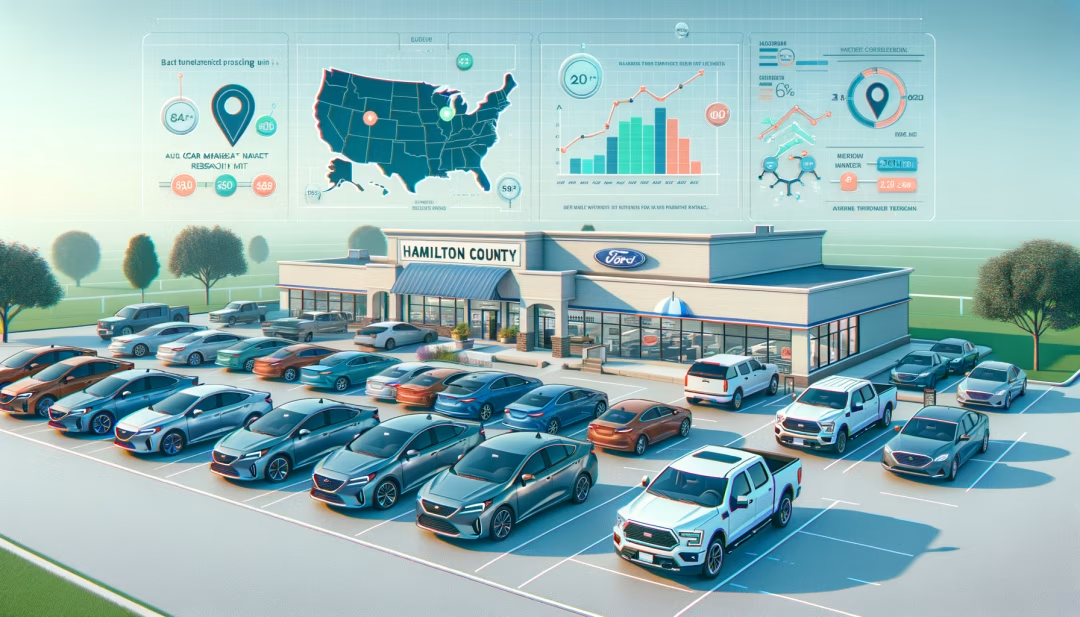
Hamilton County is one of Indiana’s most active used car markets, with steady demand driven by commuters, growing families, and small businesses. Prices typically reflect strong interest in reliable sedans, compact SUVs, and family crossovers, along with seasonal spikes for all wheel drive and trucks as weather shifts. Because inventory can move quickly, a focused approach to research saves time and helps you target the best value for your needs.
This guide explains the factors that shape local prices, how to compare vehicles the right way, and where to find trusted information before you make a decision. Whether you are shopping for a dependable daily driver for the US 31 or I 69 commute, a fuel efficient compact for city errands, or a third row crossover for weekend travel, you will learn how to identify fair value and long term fit.
Price is the outcome of several variables working together. Understanding each one helps you spot strong listings and avoid costly surprises.
Use a consistent checklist when you evaluate vehicles so you can compare apples to apples. Start by shortlisting three to five similar vehicles from used-inventory and recent examples in sold-inventory. Review mileage bands, model year changes, accident or damage entries, service records, and typical wear items. Favor vehicles with recent maintenance on brakes, tires, and fluids and aim for balanced mileage within the segment for the model year.
Your budget includes more than price. Plan for sales tax, title and registration, and near term maintenance. Hamilton County buyers often balance monthly payment comfort with a goal of three to five years of use. If you need flexible approval paths, explore second-chance-auto-financing-hamilton-in to understand options designed for rebuilding credit while keeping total cost in check.
Seasonality can influence availability and pricing. Trucks and all wheel drive crossovers tighten in late fall and winter. Sedans and compact SUVs tend to be more widely available year round, with spring tax time creating a burst of demand. Monitoring the market for a few weeks and watching how fast similar vehicles sell in used-inventory helps you learn local pace and pricing confidence.
A clean, well documented history adds confidence. Look beyond the headline to see timing of ownership, mileage progression, and service intervals. Occasional minor damage can be acceptable if repaired properly and priced accordingly. Consistent mileage increases, regular oil changes, and documented brake and tire service suggest careful ownership.
Hamilton County shoppers lean toward practical, comfortable, and efficient vehicles that handle suburban commutes and weekend trips. Compact sedans and hatchbacks deliver lower running costs. Compact and midsize SUVs offer all season traction and cargo flexibility. Trucks remain desirable for home projects and towing, especially when equipped with mid level trims that balance comfort and utility.
If you are new to the process, review step by step tips in first-time-used-car-buyers-hamilton-in and explore broader guidance across Indiana in car-buying-guide-allen-in and car-buying-guide-lake-in for comparison. For neighboring market snapshots, see used-car-market-research-allen-in and used-car-market-research-marion-in.
Resale strength varies by brand, trim, and equipment. Vehicles with advanced safety tech, remote start, heated seats, and strong reliability reputations typically hold value better in Hamilton IN. Consider the ownership window you expect. If you plan to keep the car for two to three years, focus on models that have already taken their largest depreciation step, often at three to five years old with average mileage.
Use a simple worksheet to estimate ownership. Add purchase price, tax and fees, first year maintenance, insurance, and expected fuel costs. Compare that number across your shortlist. This approach prevents focusing narrowly on price while overlooking items like tires and brakes that can add hundreds of dollars in month one. When reviewing our live listings in used-inventory, check for recent reconditioning that lowers first year expenses.
Credit history does not need to be perfect to find a workable plan. Lenders often consider income stability, current obligations, and vehicle selection. Matching the right car to the right approval path is part of smart market research. Visit second-chance-auto-financing-hamilton-in for helpful information and compare guidance for nearby counties like second-chance-auto-financing-allen-in and second-chance-auto-financing-lake-in.
Clear, well lit photos help you evaluate a listing quickly. Look at closeups of wheels, tires, driver seat bolster, steering wheel, and cargo areas for wear. Engine bay and undercarriage photos can show cleanliness and signs of recent service. Descriptions that list new tires, brakes, recent fluids, and included accessories reduce your first year cost and justify higher asking prices when documented.
Combine our inventory and guides with ongoing education to sharpen your search skills. Browse buyer education in blog, meet our team in bios, learn more about us in about-us, and view policies in privacy-policy and visitor-agreement. When you want to verify a specific vehicle or discuss budget fit, send a quick note through contact-us.
Comparing nearby markets can highlight pricing patterns and inventory flow. See used-car-market-research-porter-in, used-car-market-research-allen-in, and used-car-market-research-marion-in for additional context. For shoppers beginning their journey, review first-time-used-car-buyers-hendricks-in and car-buying-guide-monroe-in to broaden your understanding before narrowing choices in Hamilton IN.